Comparison · land neighboursFRA · DEU
France and Germany compared
Two neighbours in Western Europe: people, land, economy and capitals side by side
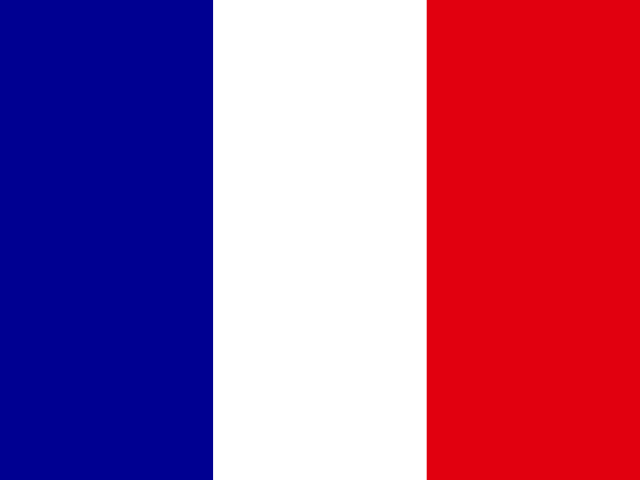 France
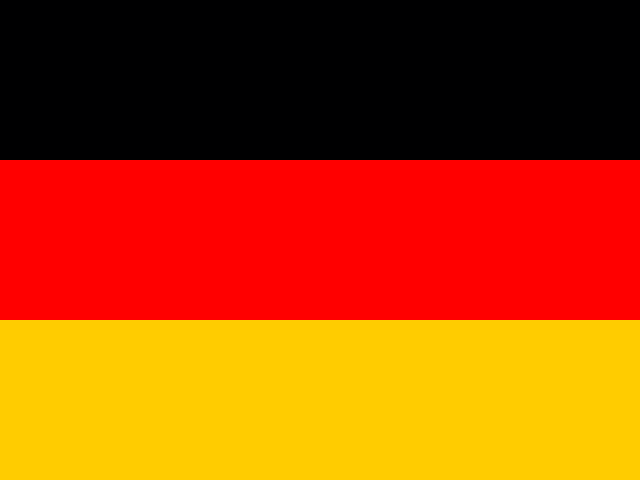 Germany
France and Germany share a land border in Western Europe, and their capitals, Paris and Berlin, are 878 km apart in a straight line. France covers 54% more area than Germany (551,695 km² against 357,114 km², world-countries), but Germany has 21% more people: 83.5 million against 68.7 million in 2025 (World Bank).
Germany has the larger economy by 50%: a GDP of US$5.05 trillion against US$3.37 trillion in 2025 (World Bank, current US$). Life expectancy at birth is 2.2 years longer in France: 83.0 years against 80.8 years in 2024 (World Bank). Both also border Belgium, Luxembourg and Switzerland.
Side by side larger figure in bold
| Measure | France | Germany | Difference |
|---|---|---|---|
| PopulationWorld Bank | 68,720,337 2025 | 83,491,249 2025 | Germany21% more people |
| Areaworld-countries | 551,695 km² | 357,114 km² | France54% larger |
| Population densitypopulation ÷ area | 125 per km² 2025 | 234 per km² 2025 | Germany88% denser |
| GDPWorld Bank, current US$ | US$3.37 trillion 2025 | US$5.05 trillion 2025 | Germany50% larger |
| GDP per capitaWorld Bank, current US$ | US$48,986 2025 | US$60,496 2025 | Germany23% higher |
| Life expectancyWorld Bank | 83.0 years 2024 | 80.8 years 2024 | France2.2 years longer |
| Land neighboursworld-countries | 10 | 9 | France1 more |
| Capitalworld-countries | Paris | Berlin | 878 kmapart, in a straight line |
| Languagesworld-countries | French | German | none in common |
| Currencyworld-countries | Euro (EUR) | Euro (EUR) | In commonEuro |
Shared neighbours 3 countries border both
 Belgiumcompare with France or Germany
 Luxembourgcompare with France or Germany
 Switzerlandcompare with France or Germany