Montenegro and Serbia compared
Two neighbours in Southeast Europe: people, land, economy and capitals side by side
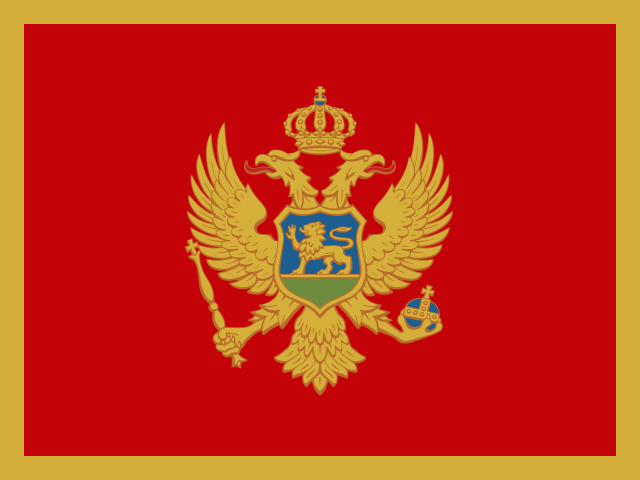 Montenegro
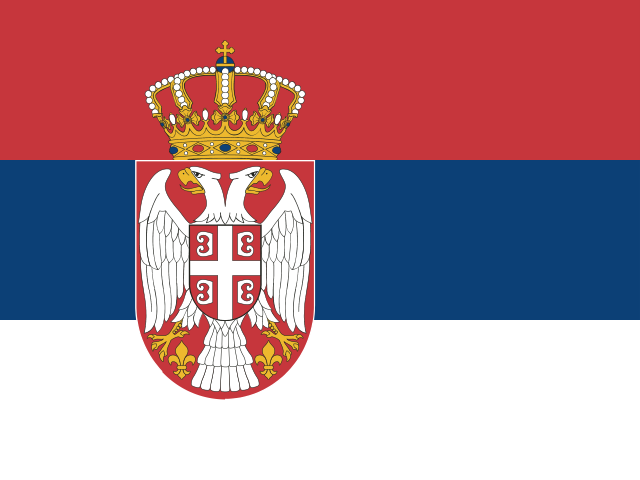 Serbia
Montenegro and Serbia share a land border in Southeast Europe, and their capitals, Podgorica and Belgrade, are 279 km apart in a straight line. Serbia is both bigger and more populous: 6.4 times the area (88,361 km² against 13,812 km², world-countries) and 11 times the population (6.55 million against 623,129 in 2025, World Bank).
The economy of Serbia is 11 times the size of that of Montenegro: a GDP of US$100.0 billion against US$9.2 billion in 2025 (World Bank, current US$). Life expectancy at birth is 1.9 years longer in Montenegro: 77.9 years against 76.0 years in 2024 (World Bank). Both also border Bosnia and Herzegovina and Croatia, and Kosovo, which is not among the 195 countries of this atlas.
Side by side larger figure in bold
| Measure | Montenegro | Serbia | Difference |
|---|---|---|---|
| PopulationWorld Bank | 623,129 2025 | 6,549,143 2025 | Serbia11 times as many people |
| Areaworld-countries | 13,812 km² | 88,361 km² | Serbia6.4 times the area |
| Population densitypopulation ÷ area | 45.1 per km² 2025 | 74.1 per km² 2025 | Serbia64% denser |
| GDPWorld Bank, current US$ | US$9.2 billion 2025 | US$100.0 billion 2025 | Serbia11 times as large |
| GDP per capitaWorld Bank, current US$ | US$14,817 2025 | US$15,262 2025 | Serbia3% higher |
| Life expectancyWorld Bank | 77.9 years 2024 | 76.0 years 2024 | Montenegro1.9 years longer |
| Land neighboursworld-countries | 4 | 7 | Serbia3 more |
| Capitalworld-countries | Podgorica | Belgrade | 279 kmapart, in a straight line |
| Languagesworld-countries | Montenegrin | Serbian | none in common |
| Currencyworld-countries | Euro (EUR) | Serbian dinar (RSD) | none in common |
Shared neighbours 2 countries border both
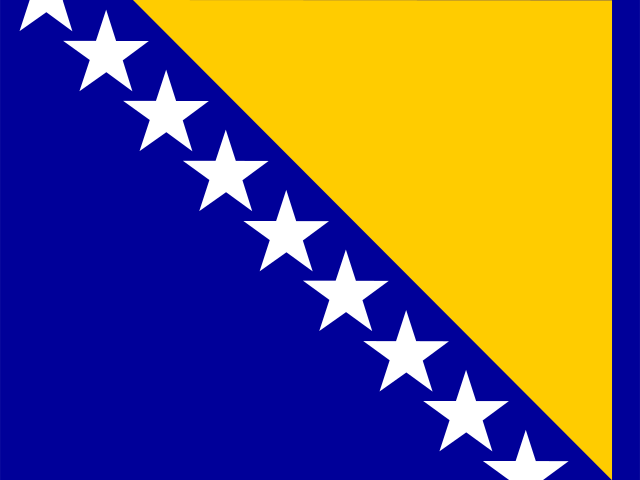 Bosnia and Herzegovinacompare with Montenegro or Serbia
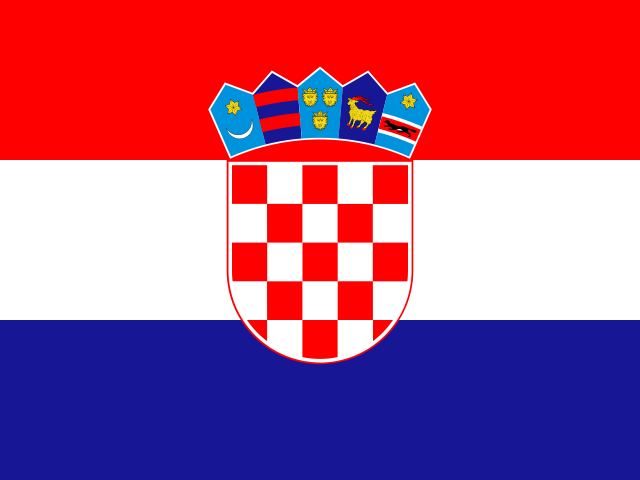 Croatiacompare with Montenegro or Serbia